Henan Jinlun Superhard Material Co., Ltd
visit us in Germnay Grinding tec exhibition

ABOUT US

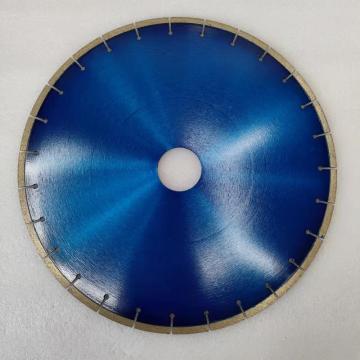
Henan Jinlun superhard material co.ltd is a company that specializes in the production of diamond and CBN (cubic boron nitride) grinding wheels, cutting blades, and grinding heads. With a focus on quality and innovation, the company uses advanced manufacturing techniques and state-of-the-art equipment to ensure that its products meet the highest standards of performance and durability. Whether for use in the automotive, aerospace, or construction industries, Henan Jinlun's grinding wheels and cutting blades are trusted by professionals around the world for their reliability and effectiveness. In addition to its core product lines, the company also offers a range of custom solutions to meet the specific needs of its customers.

NEW PRODUCTS

EXHIBITION DISPLAY

APPLICATIONS

diamond grinding wheels in glass industry
01
diamond drill bit in glass industry
02
grinding wheel in A3 Steel
03

diamond grinding wheels in glass industry

PRODUCT TRENDING

LATEST NEWS

Precision Grooving in Hard Materials – Why Sintered Diamond Heads with Chip Slots Outperform Standard Tools

  Introduction Milling slots and grooves in glass and ceramics is one of the most challenging operations in hard material machining. Glass is brittle – it chips and cracks easily Ceramics are extremely hard – they wear out standard tools quickly Both generate abrasive dust that clogs conventional grinding heads Standard grinding heads struggle. They load up, generate excessive heat, and wear out prematurely. But there's a tool specifically designed for this challenge: the sintered diamond grooving / slotting grinding head. With diamond distributed throughout the working layer and chip evacuation grooves on the surface, this tool delivers consistent, efficient slotting in hard materials. In this article, we'll explain why this design works, why sintered diamond is the right choice, and how it can improve your grooving operations. Part 1: The Challenge – Slotting in Glass and Ceramics Glass and ceramics are difficult to machine. Material Properties:     What Happens with Standard Tools:     What a Slotting Tool Must Do:     Part 2: The Solution – Sintered Diamond with Grooved Design This tool combines two key features: sintered diamond abrasive and a grooved / slotted working surface. Feature 1: Sintered Diamond     Feature 2: Grooved / Slotted Working Surface     The Combined Effect:     Sintered vs. Electroplated:     Feature Electroplated Sintered (This) Diamond distribution Single layer Throughout working layer Self-sharpening No Yes Life Short

05 August-2026

The Finishing Touch – Why a 280 Grit Diamond Belt Is Essential for Tungsten Carbide Polishing

Introduction Tungsten carbide is one of the hardest materials used in manufacturing. Cutting tools and inserts Wear parts and dies Seal rings and nozzles Precision components But hardness comes with a challenge: finishing. Grinding tungsten carbide is one thing. Achieving a smooth, polished surface – that's another level entirely. That's where a 280 grit electroplated diamond abrasive belt comes in. Fine enough to polish, aggressive enough to remove scratches, and durable enough to handle the toughest carbide. In this article, we'll explain why 280 grit is the sweet spot for carbide finishing, and why a diamond belt is the only tool for the job. Part 1: The Challenge of Finishing Tungsten Carbide Tungsten carbide is extremely hard and wear-resistant. That makes it great for tools – but difficult to finish. Material Properties:     What Happens with the Wrong Abrasive:     What Finishing Must Achieve:     Part 2: Why Diamond? Diamond is the hardest material known – and the only abrasive that can effectively grind and polish tungsten carbide. Abrasive Comparison:     Diamond Advantages for Carbide Finishing:     Part 3: Why 280 Grit? Grit size determines the finish. Coarser grits remove material faster but leave a rougher surface. Finer grits produce smoother finishes but remove material more slowly. Grit Comparison:     Grit Cut Rate Surface Finish Best For #80-120 Aggressive Rough Heavy stock removal #180-220 Moderate Medium General grinding #280 Fine

04 August-2026

Double-Sided Grinding – The Smart Way to Machine Flat Workpieces Faster and Flatter

  Introduction Flat workpieces are everywhere in precision manufacturing. Stainless steel components for medical devices Tungsten carbide parts for cutting tools Ceramic bearings for high-speed applications Bearing steel rings for automotive and industrial use The challenge? Grinding them flat – on both sides – efficiently and accurately. Traditional single-sided grinding means flipping parts, re-fixturing, and hoping for consistent parallelism. Double-sided grinding solves this problem. In this article, we'll explain what double-sided grinding is, why it's better for flat parts, and how a double-sided diamond / CBN grinding disc can transform your production. Part 1: The Challenge – Grinding Flat Workpieces Flat workpieces require precision, flatness, and parallelism. Achieving all three is harder than it sounds. What Makes Flat Parts Difficult?     The Single-Sided Process:     The Result:     Part 2: The Solution – Double-Sided Grinding Double-sided grinding grinds both sides of a flat workpiece at the same time. How It Works:     The Process:     Advantages of Double-Sided Grinding:     Part 3: Why Diamond or CBN? The abrasive choice depends on the material you're grinding. Abrasive Selection:     Material Recommended Abrasive Why Stainless steel CBN or Diamond Tough material – CBN is ideal

03 August-2026

The Edge of Perfection – Why Diamond Bevel Wheels Are Essential for Ceramics, Glass & Magnetic Materials

  Introduction In the world of hard, brittle materials, the edge is everything. A ceramic tile with a chipped edge is rejected A glass mirror with a rough edge is unsafe A magnetic component with an uneven edge won't fit Edge finishing – chamfering, beveling, and corner rounding – is not just cosmetic. It's functional. It prevents chipping. It improves handling. It ensures proper fit. It enhances safety. But grinding edges on hard, brittle materials is challenging. Standard abrasives cause chipping, generate heat, and wear out quickly. The solution? Electroplated diamond bevel / edge grinding wheels. In this article, we'll explain why diamond is the only choice for edge finishing on ceramics, glass, and magnetic materials – and how the right wheel delivers perfect edges every time. Part 1: The Challenge – Edge Finishing on Hard, Brittle Materials Ceramics, glass, and magnetic materials are difficult to grind. Material Properties:     What Happens with the Wrong Tool:     What Edge Finishing Must Achieve:     Part 2: Why Diamond for Edge Finishing? Diamond is the only abrasive that can effectively grind hard, brittle materials without chipping or cracking. Abrasive Comparison:     Diamond Advantages for Edge Finishing:     Part 3: Why Electroplated Diamond? Electroplated diamond is the ideal choice for edge finishing applications. Electroplated vs. Other Bonds:     Bond Type Diamond Layer Sharpness Life

31 July-2026

Keeping Superhard Tools Sharp – Why Ceramic Bond Diamond Wheels Are the Industry Standard for PCD & PCBN Re-Sharpening

  Introduction PCD and PCBN tools are the workhorses of modern precision machining. PCD (Polycrystalline Diamond) – for cutting non-ferrous metals, composites, and abrasive materials PCBN (Polycrystalline Cubic Boron Nitride) – for cutting hardened steels and cast irons These tools are incredibly hard, wear-resistant, and long-lasting. But they don't stay sharp forever. Eventually, every PCD and PCBN tool needs re-sharpening. And re-sharpening superhard tools requires a specialized grinding wheel – ceramic bond diamond wheels. In this article, we'll explore why ceramic bond diamond wheels are the industry standard for PCD and PCBN re-sharpening, and how they deliver the precision and performance that tool manufacturers demand. Part 1: The Challenge – Re-Sharpening Superhard Tools PCD and PCBN are among the hardest materials used in manufacturing. Material Properties:     What Re-Sharpening Requires:     What Happens with the Wrong Wheel:     Part 2: Why Ceramic Bond Diamond? Ceramic bond diamond wheels are the preferred choice for PCD and PCBN re-sharpening. Bond Type Comparison:     Ceramic Bond Advantages: | Feature | Benefit for PCD/PCBN Re-Sharpening || :--- | :--- | :--- || Excellent form-holding | Maintains wheel geometry – consistent edge quality || Self-sharpening | Fresh diamond continuously exposed || Porous structure | Efficient chip removal and heat dissipation || Cooler grinding | Prevents thermal damage to superhard tools || Long life | High wear resistance – lower cost per tool | How Self-Sharpening Works:       Part 3: Why Diamond for PCD & PCBN? PCD and PCBN are superhard materials. Only diamond abrasive can grind them effectively. Abrasive Comparison:     Abrasive PCD PCBN Reason Diamond ⭐⭐⭐⭐⭐ ⭐⭐⭐⭐⭐ Hardest – cuts both materials CBN ⭐ ⭐⭐⭐⭐ Not hard enough for PCD Silicon Carbide

30 July-2026

We will contact you immediately

Fill in more information so that we can get in touch with you faster

Privacy statement: Your privacy is very important to Us. Our company promises not to disclose your personal information to any external company with out your explicit permission.

Send