





Send Message
Privacy statement: Your privacy is very important to Us. Our company promises not to disclose your personal information to any external company with out your explicit permission.
Cast iron is one of the most common materials in industry.
Engine blocks and cylinder heads
Machine bases and heavy equipment
Pipe fittings and industrial castings
Brake rotors and automotive components
But grinding cast iron is not a one-size-fits-all job.
Different cast iron types – gray, ductile, chilled, malleable – have different hardnesses and grinding characteristics. And different operations – roughing, general grinding, finishing – require different grit sizes.
So how do you find the right grit for your application?
The answer: test them.
That's why we offer brazed Diamond Grinding Wheels in three grit options – 30#, 60#, and 120# – so you can test and determine the optimal grit for your cast iron grinding application.
In this article, we'll explain the differences between these grits, when to use each one, and why testing is the smartest approach to tool selection.
Grit size refers to the size of the diamond particles on the grinding wheel. The smaller the number, the larger the particle.
| Grit | Particle Size (approx.) | Cut Rate | Surface Finish | Best For |
|---|---|---|---|---|
| 30# | ~500-600 µm | ⭐⭐⭐⭐⭐ Very aggressive | Very rough | Heavy stock removal, rough grinding |
| 60# | ~200-250 µm | ⭐⭐⭐⭐ Aggressive | Medium | General grinding, conditioning |
| 120# | ~100-120 µm | ⭐⭐⭐ Moderate | Smooth | Finishing, surface smoothing |
| Rule | Explanation |
|---|---|
| Coarser grit = faster cut, rougher finish | Large particles remove more material per pass |
| Finer grit = slower cut, smoother finish | Small particles create a smoother surface |
| Work from coarse to fine | Start coarse, then move to finer grits for best results |
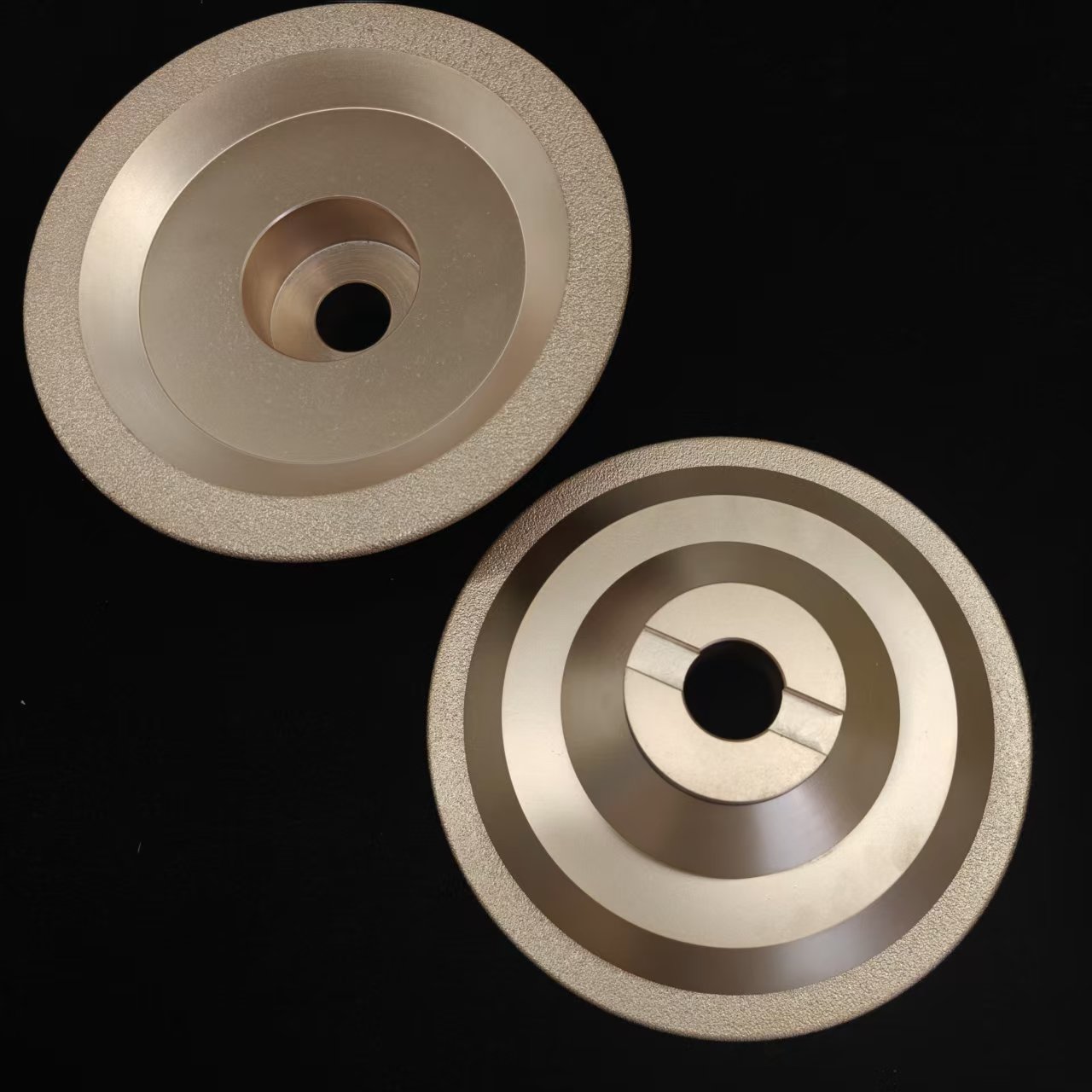
| Aspect | Description |
|---|---|
| Cut rate | Very aggressive – removes material fast |
| Finish | Very rough |
| Best for | Heavy stock removal, rough grinding, fettling |
Typical Applications:
| Operation | Why 30# Works |
|---|---|
| Removing gates and risers | Fast material removal |
| Grinding off casting flash | Aggressive cutting |
| Heavy stock removal | Removes large amounts quickly |
| Rough surface preparation | Prepares surface for subsequent grinding |
When to Choose 30#:
✅ You need to remove a lot of material quickly
✅ You're working on rough castings with excess material
✅ You're doing fettling or foundry work
✅ Surface finish is not critical at this stage
| Aspect | Description |
|---|---|
| Cut rate | Aggressive – good material removal |
| Finish | Medium |
| Best for | General grinding, surface conditioning |
Typical Applications:
| Operation | Why 60# Works |
|---|---|
| General grinding | Good balance of removal and finish |
| Surface conditioning | Smooths rough surfaces |
| Pre-polishing preparation | Prepares for finer grits |
| Edge grinding | Good edge quality |
When to Choose 60#:
✅ You need a balance of removal and finish
✅ You're doing general cast iron grinding
✅ You want to smooth surfaces without excessive roughness
✅ You're preparing for a finishing operation
| Aspect | Description |
|---|---|
| Cut rate | Moderate – finer cutting action |
| Finish | Smooth |
| Best for | Finishing, surface smoothing, final preparation |
Typical Applications:
|
Contact Us
Popular Products
Company News
Industry News

What grinding stone are made of
July 22, 2022 You may also like
Related Information
Related Categories
Email to this supplier Contact Us
Popular Products
Company News
Industry News
What grinding stone are made of
July 22, 2022 About Us Related Products List Contact Us
Send Message
Privacy statement: Your privacy is very important to Us. Our company promises not to disclose your personal information to any external company with out your explicit permission.
We will contact you immediately
Fill in more information so that we can get in touch with you faster Privacy statement: Your privacy is very important to Us. Our company promises not to disclose your personal information to any external company with out your explicit permission. |
|---|